Common Entry Points Raccoons Use to Access Buildings
People seeking raccoon removal often want to identify and seal common entry points raccoons use to access buildings, and local contractors can help safely eliminate these access points.
If you’ve ever wondered how raccoons manage to find their way into buildings, you’re in the right place. Understanding the common entry points raccoons use to access buildings can help property owners identify vulnerabilities and prevent unwelcome visits. Raccoons are clever and adaptable creatures, often exploiting small openings, such as gaps around vents, chimneys, and rooflines, to gain entry. Recognizing these potential access points is a practical step toward safeguarding a property and avoiding the costly damage and health concerns that raccoon intrusions can cause.
Local contractors who specialize in raccoon removal are well-versed in identifying these entry points and implementing effective exclusion methods. They can assess a property’s structure, pinpoint where raccoons are likely to enter, and recommend solutions to block these access routes. Exploring common entry points used by raccoons not only helps property owners protect their buildings but also ensures that professional removal services can be efficiently engaged to handle the situation safely and effectively. Keep reading to learn more about how these entry points are identified and how local service providers can assist in keeping raccoons out.
- Attic Vents - homeowners noticing raccoons entering through attic vents can rely on local contractors to secure or install vent covers to prevent future access.
- Chimney Openings - when raccoons are found nesting in chimneys, service providers can install chimney caps and seal entry points to block their entry.
- Roof Vents and Gaps - if raccoons are accessing buildings via roof vents or gaps, local pros can seal or reinforce these areas to eliminate entry routes.
- Eaves and Soffits - signs of raccoons in eaves or soffits lead to inspections by local contractors who can repair or block these common entry points.
- Broken or Unsecured Doors and Windows - entry points created by damaged doors or windows are addressed by service providers who can secure or replace these openings.
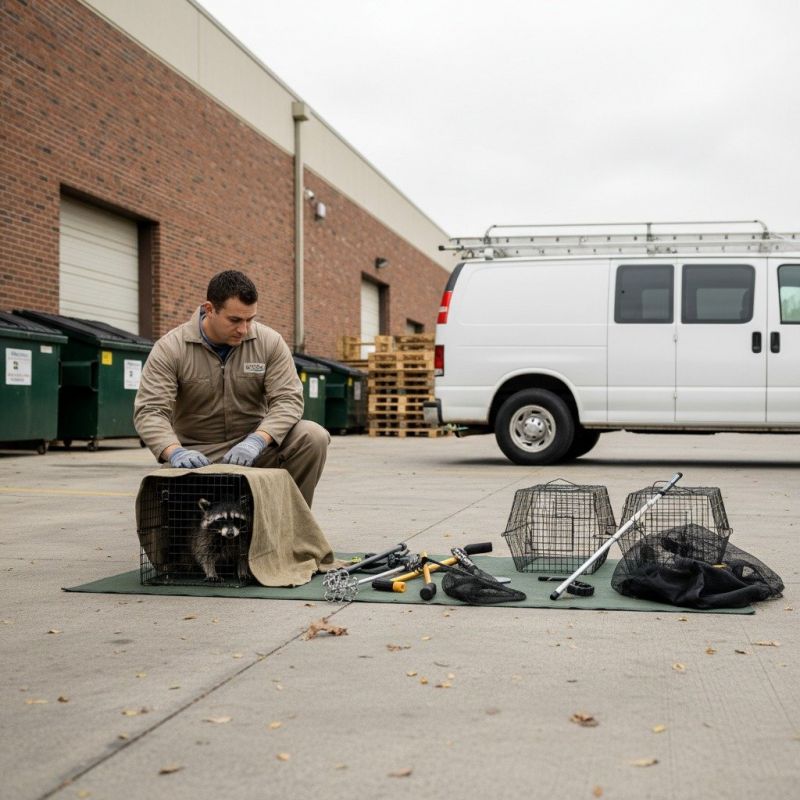
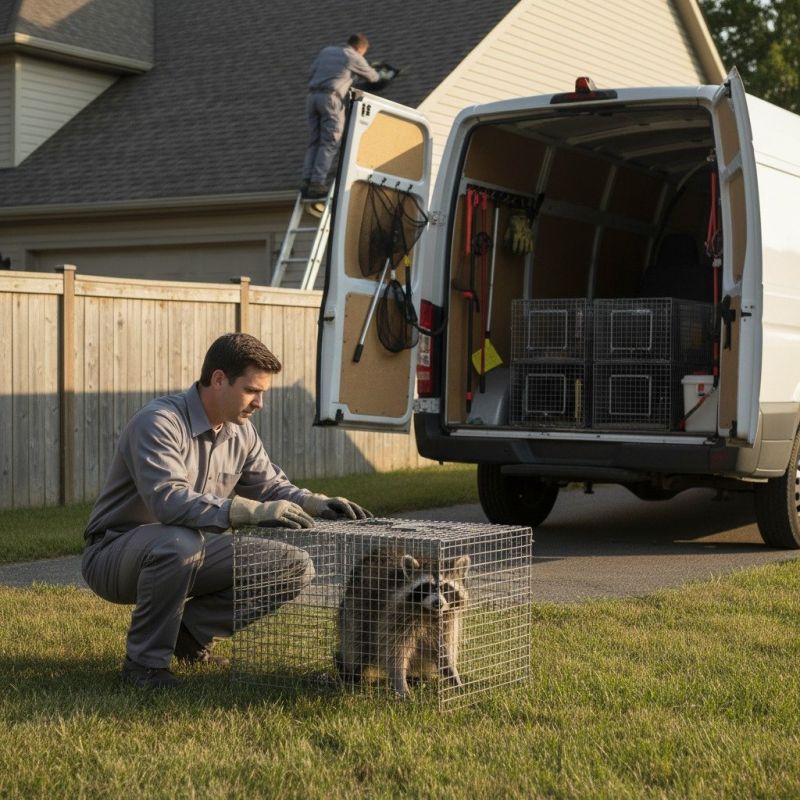
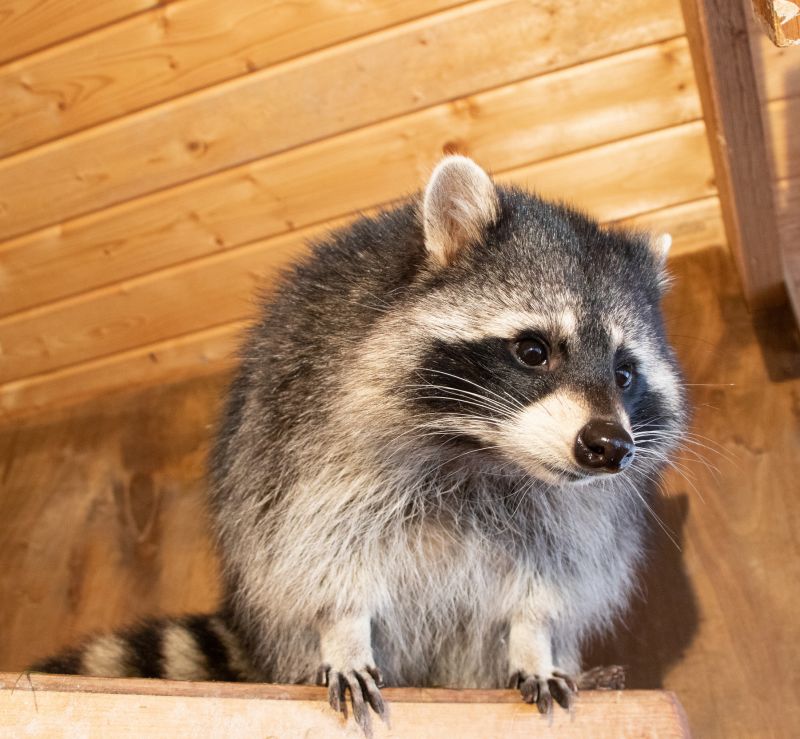
When homeowners search for information about common entry points raccoons use to access buildings, they are usually trying to understand how these clever animals find their way inside their properties. Raccoons are known for their resourcefulness and ability to exploit small openings that may seem insignificant. This search often relates to concerns about raccoon infestations, property damage, or the safety of residents and pets. People may be planning repairs or preventative measures to keep raccoons out, or they might have already experienced raccoon activity and are seeking ways to address the problem effectively. Understanding the typical entry points helps homeowners identify vulnerabilities in their buildings and take proactive steps to prevent raccoon access.
The issues associated with raccoon entry points often involve damage to property or the risk of raccoons nesting inside structures. Raccoons are notorious for tearing open vents, gnawing through screens, or squeezing through small openings around roofs and foundations. Such entry points can lead to raccoons gaining access to attics, crawl spaces, or wall cavities, where they may cause damage or create nests. Homeowners with plans to secure their properties or eliminate raccoon presence will find it useful to understand where these animals tend to enter. Local service providers specializing in raccoon removal can assess properties for these common entry points and recommend effective sealing or exclusion methods to keep raccoons out.
Certain types of properties are more likely to have common entry points raccoons use to access buildings. Residential homes with accessible attics, poorly sealed vents, or damaged soffits are especially vulnerable. Older or poorly maintained properties may have gaps around window frames, door openings, or foundation vents that raccoons can exploit. Buildings with detached garages, sheds, or barns also present opportunities for raccoons to gain entry, especially if these structures lack proper sealing. Commercial properties, particularly those with storage areas or unused buildings, can also become targets if entry points are not properly secured. Recognizing these property types helps homeowners and property managers understand where raccoons are most likely to attempt entry and how local contractors can assist in securing these vulnerable areas.
Addressing common entry points raccoons use to access buildings often involves a combination of inspection, sealing, and exclusion techniques. Local raccoon removal professionals are equipped to identify the specific vulnerabilities that raccoons may use on each property. They can recommend appropriate repairs, such as installing animal-proof vents, reinforcing weak spots, and sealing gaps around roofs and foundations. Proper exclusion is a crucial step in preventing future raccoon intrusions and protecting the property from damage. For homeowners dealing with raccoon activity, understanding these entry points and working with experienced service providers ensures that the appropriate measures are taken to secure the building effectively, reducing the likelihood of recurrent issues.
Building Inspection Projects - Professionals conduct thorough inspections to identify potential entry points raccoons may use, ensuring all access areas are properly assessed and sealed.
Wildlife Exclusion Services - These projects focus on sealing off common entry points, such as vents and chimneys, to prevent raccoon access and protect buildings from future intrusion.
Roofing and Gutter Repair - Repairing damaged roofs and gutters helps eliminate gaps and openings that raccoons could exploit to enter buildings.
Attic Restoration Projects - Restoring and sealing attics prevents raccoons from nesting inside and identifies potential entry points in roof and eave areas.
Siding and Exterior Repair - Fixing damaged siding and exterior walls reduces vulnerabilities that raccoons may use to gain access to building interiors.
Vent and Chimney Cover Installations - Installing protective covers on vents and chimneys blocks raccoons from entering through these common entry points.
When evaluating service providers for raccoon removal, it is important to consider their experience with similar projects, particularly those involving common entry points raccoons use to access buildings. A contractor with a history of successfully handling raccoon entry issues will likely be familiar with the typical access points such as roof vents, chimneys, and gaps around utility lines. This experience can help ensure that the chosen professional understands the nuances of raccoon behavior and knows how to identify all potential entry points specific to the structure, reducing the chances of overlooked vulnerabilities.
Clear, written expectations are essential when comparing local contractors. A reputable service provider should be able to provide detailed descriptions of the scope of work, including how they plan to identify and seal entry points, the methods they will use, and any follow-up steps. This transparency helps prevent misunderstandings and ensures that both parties are aligned on the work to be performed. When reviewing proposals or estimates, it’s beneficial to look for providers who communicate their process clearly and provide written documentation, giving confidence that the project will be handled thoroughly and professionally.
Reputable references and good communication are key indicators of a reliable raccoon removal service. Asking for references or reviews from previous clients can provide insight into the contractor’s track record and the quality of their work. Additionally, responsive and clear communication during the initial contact can reflect how well they will handle questions or concerns throughout the project. Service providers who prioritize open dialogue and demonstrate professionalism are more likely to deliver a smooth experience, ensuring that the homeowner’s concerns about entry points and raccoon access are addressed effectively.
Property owners often search for common entry points raccoons use to access buildings when they are planning practical projects around their homes and businesses. Local pros provide Raccoon Removal services for everyday jobs and straightforward project options.

Understanding the common entry points raccoons use to access buildings can help property owners identify vulnerabilities around their properties. These animals often exploit small openings or gaps in roofs, vents, chimneys, and foundation areas to gain entry. In many cases, simple structural issues such as damaged soffits, loose shingles, or unsealed utility penetrations provide easy access for raccoons seeking shelter or food sources. Property owners noticing raccoon activity or signs of damage may find it helpful to explore solutions offered by local contractors experienced in raccoon removal and property protection.
Engaging with local service providers who specialize in raccoon removal can ensure that these entry points are properly addressed to prevent future intrusions. These professionals can assess the property for potential access points, recommend effective sealing or exclusion methods, and safely remove any raccoons currently inhabiting the building. Connecting with experienced local contractors helps property owners protect their buildings from raccoon-related issues while ensuring that the entry points are handled in a way that minimizes damage and discourages re-entry.
What are common entry points raccoons use to access buildings? Raccoons often access buildings through roof vents, chimneys, damaged soffits, unsecured attic vents, and gaps around utility lines.
How can I identify raccoon entry points in my building? Signs include chewed or torn vent screens, claw marks around openings, droppings near entry spots, and disturbed insulation or roofing materials.
Are roof vents and chimneys typical raccoon entry points? Yes, raccoons frequently use roof vents and chimneys as entry points due to their accessibility and openings that may not be properly secured.
What role do damaged soffits and attic vents play in raccoon access? Damaged or unsecured soffits and attic vents create easy entry points for raccoons seeking shelter or nesting sites inside buildings.
How can local contractors help with raccoon entry point issues? They can inspect buildings for common raccoon entry points, seal or repair openings, and help prevent future intrusions to protect property.
Identifying structural vulnerabilities - property owners can inspect their buildings for small gaps and cracks that raccoons might use as entry points, with local contractors providing targeted repairs. Securing entry points - sealing or blocking common raccoon access points can prevent animals from entering, with local pros offering professional exclusion services. Inspecting roof and attic vents - ensuring vents are properly covered or screened can stop raccoons from gaining access through these areas, with local experts handling the installation. Maintaining landscaping and trees - trimming branches and removing debris near buildings reduces raccoon pathways, while local service providers can assist with habitat modifications.
If you are thinking about common entry points raccoons use to access buildings for a property, this guide is meant to help you understand this topic, the typical project types, and how different options might fit your plans.
When you are ready, you can use the quote form on this page to share a few details about your project. From there, local pros can review the basics and follow up with options that match what you have in mind.