Preventing Raccoon Damage to Roofs, Attics, and Siding
People seeking raccoon removal often want to prevent raccoon damage to roofs, attics, and siding, and local contractors can provide effective solutions to protect their homes.
Property owners in the area who have experienced raccoon activity or want to prevent potential damage often find it helpful to explore strategies for protecting their roofs, attics, and siding. Raccoons are known for their ability to access and nest in hard-to-reach places, which can lead to costly repairs and safety concerns if left unaddressed. Understanding effective prevention methods can save time, money, and the hassle of dealing with raccoon-related issues later on. Local contractors specializing in raccoon removal can provide tailored solutions to help safeguard homes and preserve property value.
Keeping raccoons out of roofs, attics, and siding is a common concern for many property owners, especially those living in areas with abundant wildlife. Practical measures such as securing entry points and installing barriers are often recommended, but professional assistance can ensure these steps are done correctly and effectively. Service providers in the community are equipped to handle raccoon removal and help implement prevention strategies that protect homes from future intrusions, making it easier for property owners to maintain a safe and damage-free residence.
- Roof inspections - homeowners noticing raccoon activity or damage may seek local pros to assess vulnerabilities and recommend preventative measures.
- Attic sealing - those experiencing raccoon entry or noise in the attic can work with local contractors to secure entry points and prevent future infestations.
- Siding repairs - property owners concerned about raccoon damage to siding often turn to local service providers to reinforce or replace compromised areas.
- Exclusion services - individuals aiming to prevent raccoon access to roofs and attics can contact local pros for humane exclusion solutions.
- Damage repairs - those dealing with raccoon-related damage to roofs, attics, or siding can find local contractors to restore structural integrity and protect against further issues.
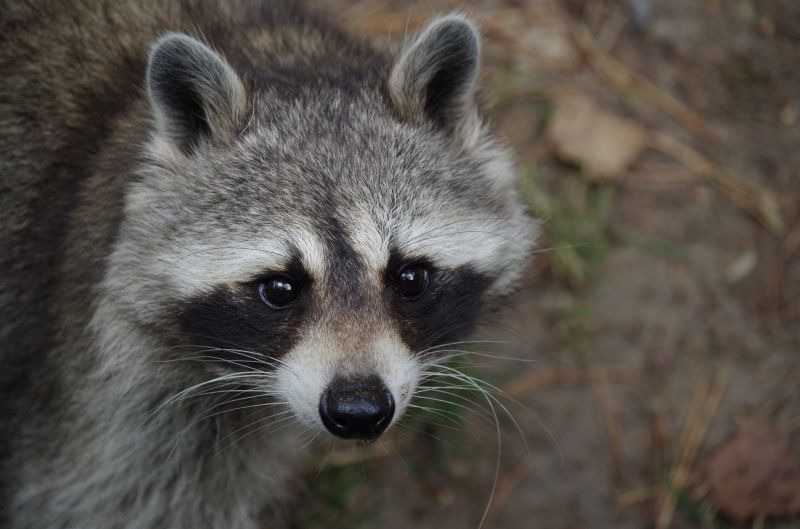
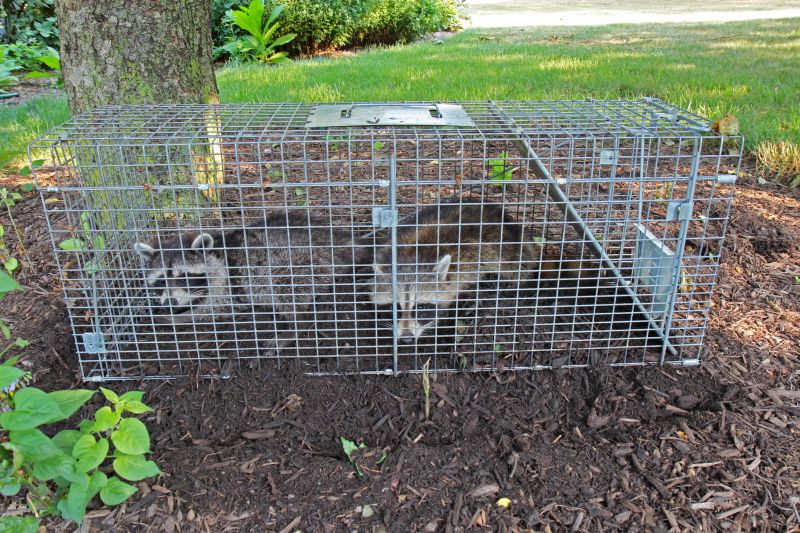
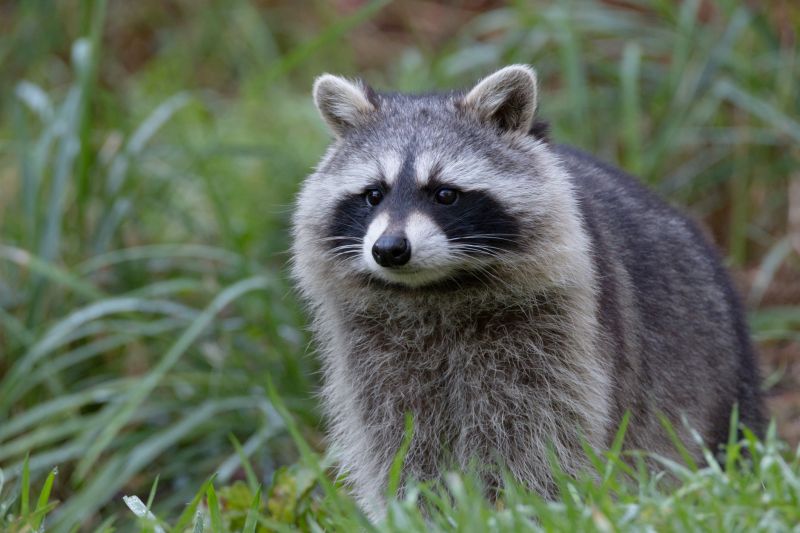
When people search for preventing raccoon damage to roofs, attics, and siding, they are often concerned about the safety and integrity of their homes. Raccoons are known for their ability to access roofs and attics, especially if there are vulnerabilities such as gaps, damaged soffits, or unsealed vents. Homeowners typically want to understand how to keep these animals out before they cause significant damage or create health hazards. This search often relates to early prevention strategies, identifying existing entry points, and implementing effective barriers to stop raccoons from getting onto or inside the property.
The problems connected to raccoon damage include tearing up insulation, gnawing on wood or siding, and creating entry points that allow other pests or animals to enter. Raccoons can also cause structural damage that leads to costly repairs if not addressed promptly. Many property owners plan to install deterrents, repair damaged areas, or secure vulnerable parts of their home to prevent future incursions. These efforts often involve assessing the property, sealing entry points, and sometimes installing physical barriers like fencing or one-way doors. Local service providers specializing in raccoon removal and property protection can assist in both removing existing animals and implementing preventative measures.
Properties most commonly affected by raccoon issues include residential homes, especially those with accessible roofs or attics. Single-family houses are frequently targeted because of their accessible eaves, vents, and chimneys. Additionally, outbuildings like sheds, garages, and barns can become attractive to raccoons if they offer easy access and shelter. Homes located near wooded areas, parks, or water sources tend to experience higher raccoon activity. These properties often require tailored solutions to prevent raccoon damage to roofs, attics, and siding, which may involve both removal of animals and reinforcement of vulnerable areas to deter future visits.
Connecting with local contractors who specialize in raccoon prevention and removal is a practical step for homeowners facing these issues. These service providers can conduct thorough inspections to identify existing damage or entry points and recommend effective solutions. Whether it involves sealing gaps, installing animal-proof barriers, or setting humane traps, local pros bring the expertise needed to address raccoon problems comprehensively. Proper prevention not only protects the home’s structure but also reduces the risk of health hazards and further damage caused by persistent raccoon activity.
Gutter Protection Installation - Installing gutter guards helps prevent raccoons from accessing roof spaces and causing damage to siding and attics, utilizing similar planning and safety considerations.
Attic Insulation and Ventilation - Proper insulation and ventilation services from local contractors can reduce raccoon attraction to attics, requiring similar inspection and sealing skills.
Roof Repair and Maintenance - Roof repair specialists address damage caused by raccoons and reinforce vulnerable areas, involving comparable tools and planning to raccoon exclusion efforts.
Siding Repair and Replacement - Siding contractors can help restore and reinforce exterior walls to prevent raccoon entry, sharing skills in sealing and material handling.
Exclusion and Barrier Services - Installing physical barriers and exclusion devices by local pros directly supports preventing raccoon access to roofs and attics, requiring similar expertise.
Wildlife Damage Prevention Consulting - Experts offering tailored strategies for wildlife damage prevention often handle raccoon-related issues, utilizing planning and inspection skills aligned with raccoon removal services.
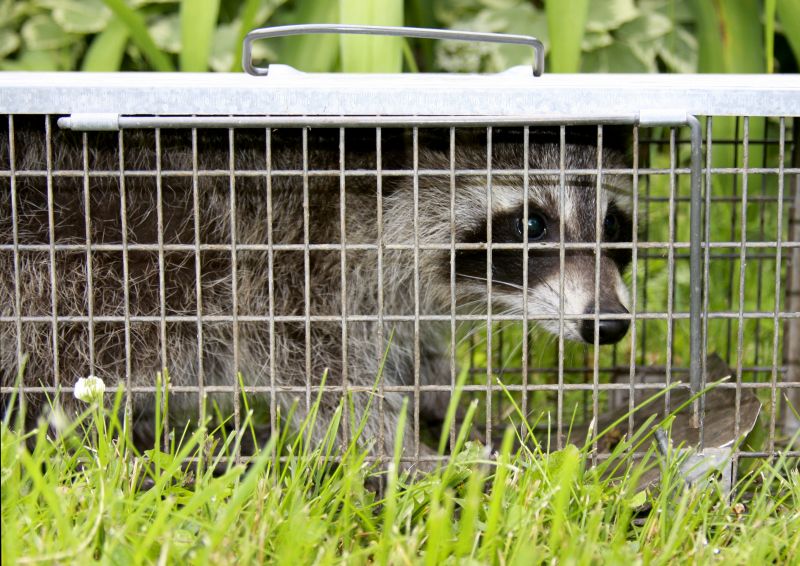
When evaluating service providers for preventing raccoon damage to roofs, attics, and siding, it is essential to consider their experience with similar projects. A contractor who has handled raccoon-related issues in residential settings will likely be familiar with the most effective methods for wildlife exclusion and damage prevention. Asking about their past work can offer insight into their familiarity with common challenges and successful solutions, helping ensure that the chosen professional has the practical knowledge needed to address the specific concerns associated with raccoon activity.
Clear written expectations are a vital aspect of selecting a reliable service provider. A reputable contractor should be able to outline the scope of work, the steps involved in raccoon removal and exclusion, and any follow-up measures to prevent future issues. Having these details documented helps establish a mutual understanding of what will be done, reducing the chances of miscommunication and ensuring that both parties are aligned on the project’s goals. This clarity can contribute to a smoother process and more satisfactory results.
Reputable references and effective communication are key indicators of a trustworthy service provider. Pros with positive references from previous clients demonstrate a track record of successful projects and satisfied homeowners. Additionally, good communication-such as responsiveness, transparency, and willingness to answer questions-can make the experience more straightforward and less stressful. When comparing local contractors, it’s beneficial to seek out those who prioritize open dialogue and have a history of delivering quality work, as these qualities often lead to more reliable and predictable outcomes in preventing raccoon damage to roofs, attics, and siding.
Property owners often search for preventing raccoon damage to roofs, attics, and siding when they are planning practical projects around their homes and businesses. Local pros provide Racoon Removal services for everyday jobs and straightforward project options.
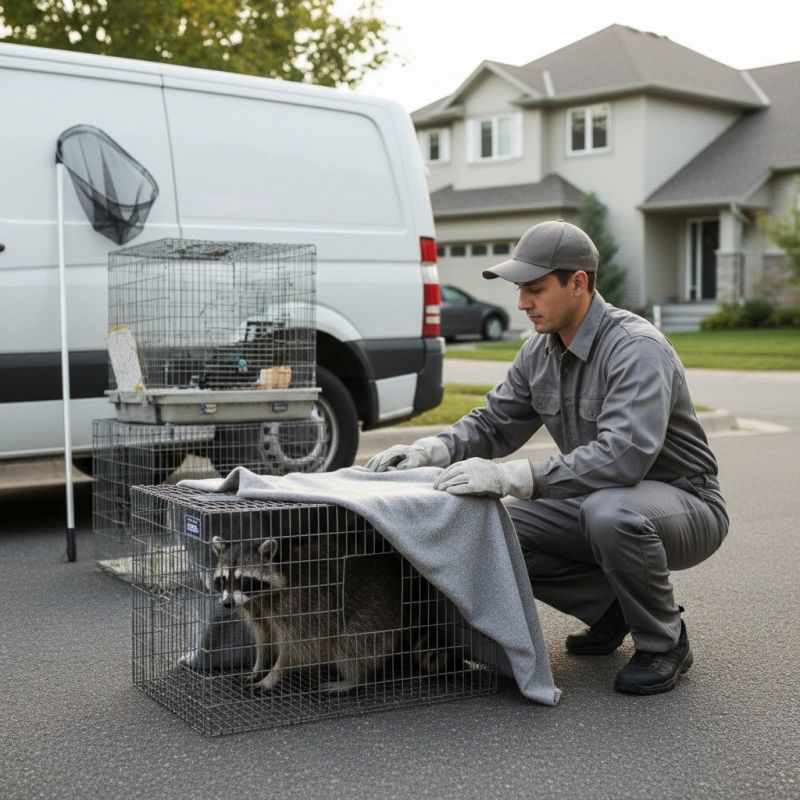
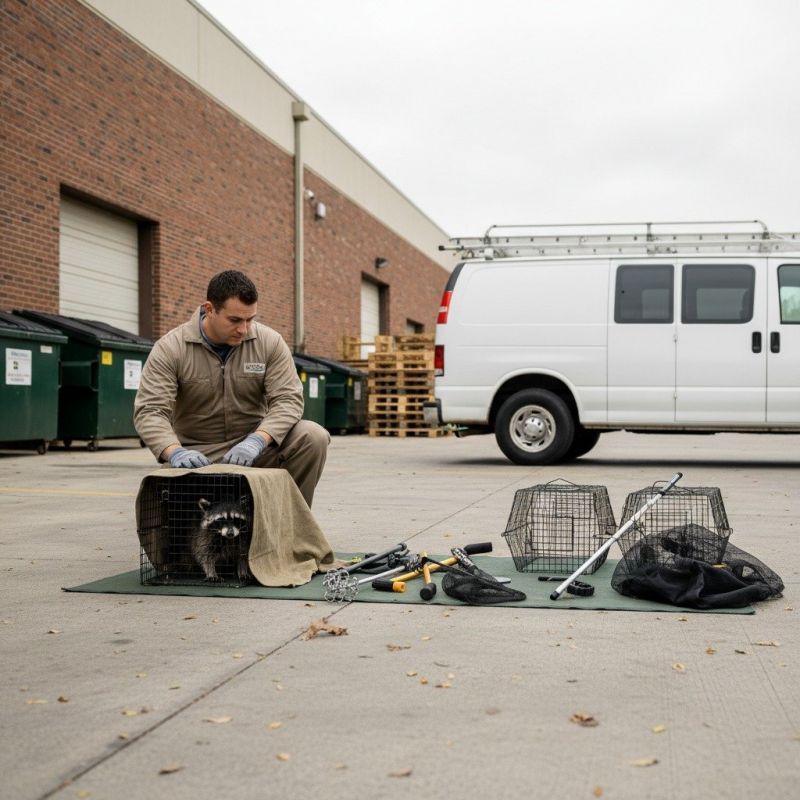
Homeowners in the area often search for ways to prevent raccoon damage to roofs, attics, and siding after noticing signs of raccoon activity or experiencing issues like torn insulation, chewed wiring, or displaced shingles. These pests are known for their curiosity and ability to access hard-to-reach areas, which can lead to costly repairs and safety concerns if left unaddressed. Many property owners consider hiring local contractors who specialize in raccoon removal and exclusion to safeguard their homes and prevent future damage, especially when initial DIY efforts prove ineffective.
Engaging with local service providers can be a practical step for those looking to resolve raccoon-related problems efficiently. These professionals can assess vulnerabilities in a property's exterior, recommend effective exclusion methods, and ensure that raccoons are safely removed without causing additional harm. By working with experienced local contractors, property owners can better protect their roofs, attics, and siding from raccoon damage and maintain the integrity of their homes over time.
How can I prevent raccoons from entering my attic? Local contractors can install raccoon-proof barriers and seal entry points to keep raccoons out of attics and prevent damage.
What are effective ways to protect my roof and siding from raccoon damage? Service providers often recommend installing fencing, chimney caps, and vent covers to deter raccoons from accessing roofs and siding areas.
How do I identify signs of raccoon activity around my home? Local pros can assess your property for raccoon tracks, droppings, and damaged siding or roofing materials to detect activity early.
Can trapping raccoons help prevent future damage? Yes, experienced raccoon removal services can safely trap and relocate raccoons, reducing the risk of ongoing damage to your property.
What maintenance steps can I take to minimize raccoon-related damage? Service providers suggest regular inspections, trimming tree branches near roofs, and sealing potential entry points to prevent raccoon access.
Sealing entry points - Identifying and sealing gaps around roofs, attics, and siding can prevent raccoons from gaining access, with local contractors providing expert repairs.
Installing barriers - Adding fencing or chimney caps helps block raccoon entry, and local service providers can install these deterrents effectively.
Trimming tree branches - Keeping nearby branches away from roofs reduces raccoon access points, while local pros can advise on proper landscaping adjustments.
Removing attractants - Securing trash and eliminating food sources nearby minimizes raccoon interest, with local contractors offering guidance on property cleanup.
If you are thinking about preventing raccoon damage to roofs, attics, and siding for a property, this guide is meant to help you understand this topic, the typical project types, and how different options might fit your plans.
When you are ready, you can use the quote form on this page to share a few details about your project. From there, local pros can review the basics and follow up with options that match what you have in mind.