Why Racoons Tear Into Soffits, Fascia, and Roof Edges
Homeowners seeking racoon removal often want to prevent damage caused by racoons tearing into soffits, fascia, and roof edges, which local contractors can effectively handle.
Many property owners in the area have noticed racoons targeting their soffits, fascia, and roof edges, raising concerns about potential damage and safety. Understanding why racoons tear into these parts of a home can help homeowners recognize early warning signs of intrusion and prevent costly repairs. Racoons are naturally curious creatures that often seek out accessible spaces for shelter or nesting, making roof edges and vulnerable exterior features attractive spots for entry or refuge. Recognizing these behaviors and vulnerabilities can motivate property owners to explore effective solutions offered by local contractors who specialize in racoon removal and property protection.
Exploring why racoons target soffits, fascia, and roof edges is a practical step for those dealing with ongoing pest issues or considering preventative measures. Local service providers are equipped to assess the specific conditions that attract racoons and can recommend strategies to secure vulnerable areas. Whether it’s installing barriers, sealing entry points, or providing humane removal services, these professionals help property owners safeguard their homes from unwanted guests. Keeping these areas intact and secure not only discourages racoons but also preserves the structural integrity of the home, making it easier to maintain a safe and pest-free environment.
- Raccoon Damage Repair - homeowners noticing raccoons tearing into soffits, fascia, or roof edges can rely on local contractors to assess and restore the damage effectively.
- Exclusion and Prevention - those experiencing repeated raccoon invasions often seek service providers who specialize in sealing entry points and preventing future damage.
- Soffit and Fascia Replacement - when raccoons cause significant destruction to roof edges, local pros can efficiently replace damaged materials to protect the home.
- Wildlife Removal - property owners dealing with raccoons nesting or foraging near roof edges can connect with service providers skilled in humane removal methods.
- Inspection and Damage Assessment - individuals concerned about why raccoons tear into soffits and fascia can have local experts evaluate the extent of the damage and advise on repairs.
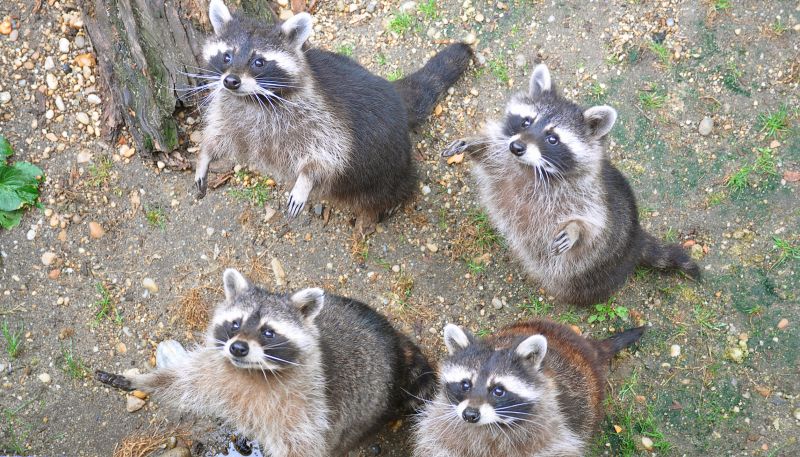
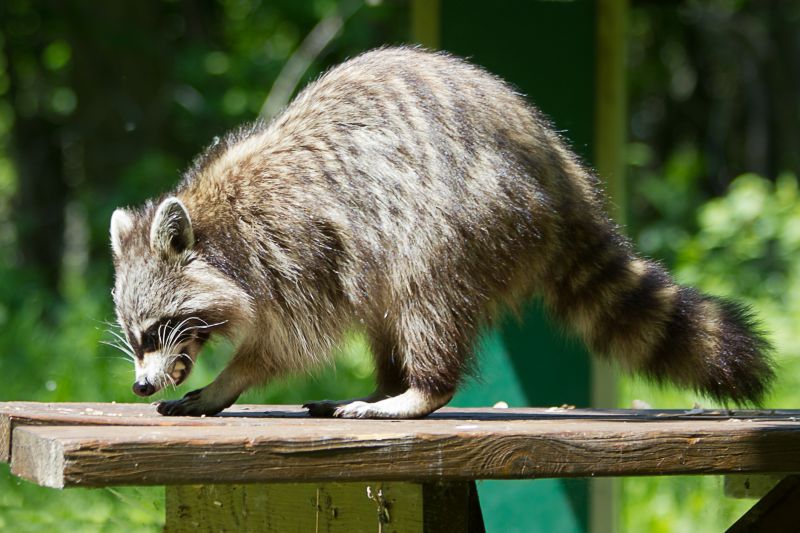
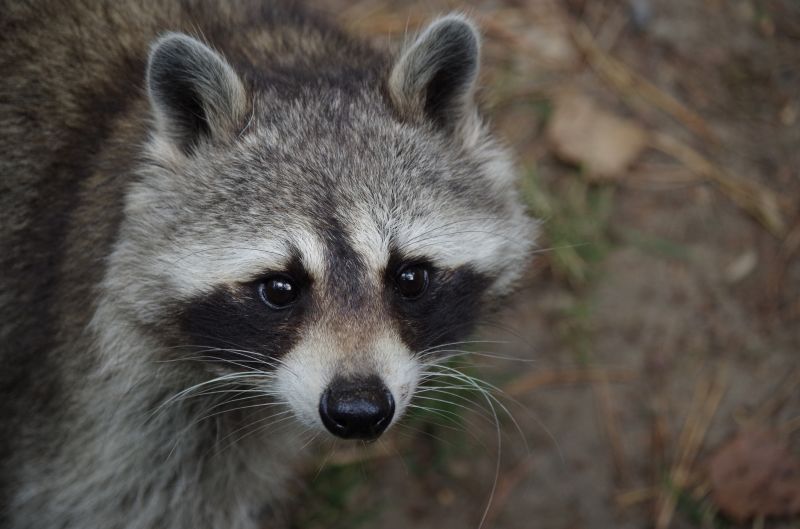
When people search for why racoons tear into soffits, fascia, and roof edges, they are often trying to understand the reasons behind damage to these parts of their property. Raccoons are known for their curiosity and resourcefulness, and they can cause significant harm when they explore or attempt to access the attic or roof space. Homeowners may notice chewed or torn materials, nests, or signs of raccoon activity near the roofline. These searches typically relate to concerns about property damage, pests, and the safety of the home’s structure, prompting inquiries about how to prevent or address raccoon intrusion.
This topic is frequently connected to property protection and pest control plans. Raccoons are notorious for tearing into soffits, fascia, and roof edges to gain entry into attics or to find nesting spots. Such damage can lead to insulation issues, water leaks, and even structural weakening if left unaddressed. Homeowners often consider repair or reinforcement projects to block raccoon access points, which may involve installing barriers or sealing vulnerable areas. Local service providers who specialize in raccoon removal can assess the damage, remove any animals safely, and help implement solutions to prevent future intrusions, ensuring the property remains secure.
Properties most commonly affected by raccoon damage tend to be those with accessible roof edges, including homes with large trees nearby, poorly sealed vents, or older construction that provides easy entry points. Residential houses, especially those with open eaves or gaps in the roofline, are prime targets. Additionally, sheds, garages, and other outbuildings can become raccoon hotspots if they have exposed soffits or fascia. The presence of raccoons tearing into these areas often indicates that the animals are seeking shelter or food sources, which can lead to ongoing issues if not addressed promptly.
Understanding why racoons tear into soffits, fascia, and roof edges helps homeowners recognize the importance of timely intervention. Local pros who specialize in raccoon removal and property protection can evaluate the extent of damage, safely remove any animals, and recommend measures to prevent recurrence. These professionals often provide services like sealing entry points, installing deterrents, and repairing damaged areas. Connecting with experienced service providers ensures that the problem is handled effectively, reducing the risk of further damage and helping to maintain the integrity and safety of the home.
Gutter Repair and Installation - Professionals skilled in gutter work can help address damage caused by raccoons and prevent them from accessing roof edges and soffits.
Roof Inspection and Repair - Local contractors who specialize in roof inspections can identify vulnerabilities that raccoons exploit and recommend protective measures.
Pest Proofing Services - Experts in pest proofing can seal entry points and install barriers to keep raccoons from tearing into roof edges and fascia.
Soffit and Fascia Replacement - Skilled service providers can replace damaged soffits and fascia, reducing raccoon access and preventing further damage.
Attic and Ventilation Services - Professionals who handle attic ventilation can help eliminate raccoon nesting sites that attract them to roof edges.
Bird and Animal Exclusion - Local contractors offering exclusion services can install deterrents to prevent raccoons from tearing into roof components.
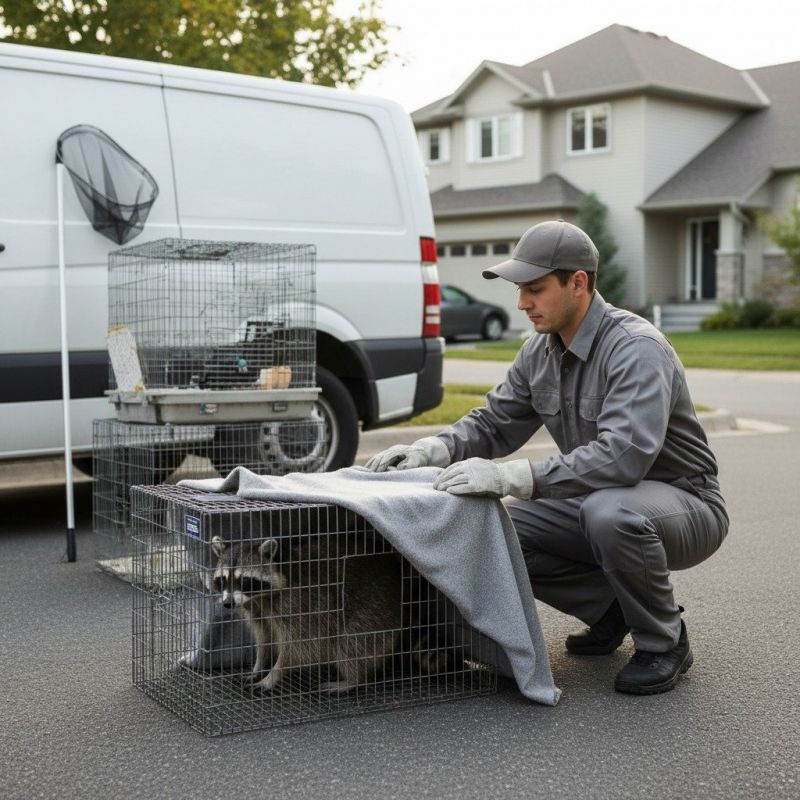
When comparing service providers for raccoon removal, it is important to consider their experience with similar projects, such as addressing raccoon damage to soffits, fascia, and roof edges. Contractors who have previously handled wildlife-related repairs and removals are more likely to understand the common causes of raccoons tearing into these areas and can offer insights into effective prevention strategies. A contractor’s familiarity with the specific challenges posed by raccoon activity can also help ensure that the work is performed efficiently and thoroughly, reducing the likelihood of repeat issues.
Clear written expectations are essential when evaluating potential service providers. Homeowners should seek detailed descriptions of the scope of work, including how the raccoon removal will be carried out, repairs to damaged areas, and any recommended preventative measures. Transparent communication about what the project entails helps prevent misunderstandings and ensures that both parties are aligned on the goals. Reputable local contractors will typically provide comprehensive information upfront, making it easier to compare options based on the scope and approach of their services.
Reputation and communication are key factors when choosing a raccoon removal specialist. Reliable service providers often have references or reviews that can attest to their professionalism, quality of work, and ability to handle wildlife issues effectively. Good communication throughout the process allows homeowners to ask questions, express concerns, and receive updates, which can be especially helpful when dealing with the complexity of raccoon-related damage. Considering these aspects can help ensure that the chosen contractor is capable of addressing the problem comprehensively and professionally.
Property owners often search for why racoons tear into soffits, fascia, and roof edges when they are planning practical projects around their homes and businesses. Local pros provide Racoon Removal services for everyday jobs and straightforward project options.
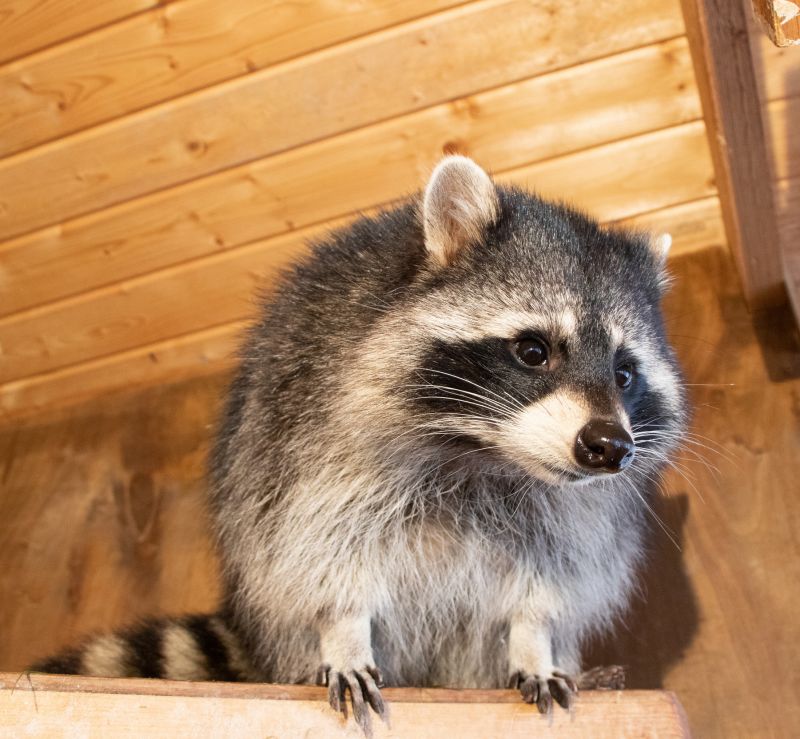
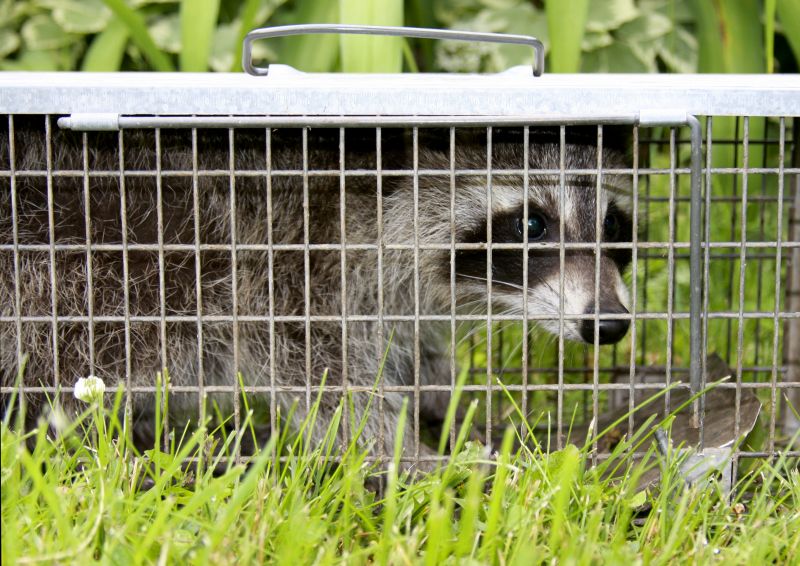
Many property owners in the area notice raccoons tearing into soffits, fascia, and roof edges, especially during the warmer months when these animals become more active. Raccoons are naturally curious and often seek out small openings or damaged areas to explore or access attics and crawl spaces. Sometimes, they are attracted by the warmth or the promise of shelter, which prompts them to chew or claw at these vulnerable parts of a home’s exterior. Understanding these common behaviors can help homeowners recognize early signs of raccoon activity and determine when to seek assistance from local contractors experienced in raccoon removal.
Property owners might also find that raccoons tear into roof edges and fascia when searching for food or trying to establish a nesting site. These animals are known for their dexterity and persistent nature, which can lead to damage if they find easy access points. Damage to soffits and fascia not only creates aesthetic concerns but can also lead to further structural issues if left unaddressed. When signs of raccoon activity are visible, connecting with experienced service providers can help safely remove the animals and repair any damage, preventing future problems and protecting the home’s integrity.
Why do racoons tear into soffits, fascia, and roof edges? Racoons often target these areas because they provide easy access to attics and roofs, especially if there are existing gaps or damage. They may also be attracted to insulation or stored items inside the attic. Local contractors can identify vulnerabilities and help secure these entry points.
What attracts racoons to tear into roof edges and fascia? Racoons are drawn to areas where they can find shelter, food, or nesting spots, such as damaged or loose soffits and fascia. They may also be seeking warmth or safety from predators. Professional racoon removal services can assess and eliminate these attractants.
How can local pros prevent racoons from tearing into roof edges? They typically recommend sealing gaps, installing barriers, and repairing damaged roofing components to block racoons’ access. Proper exclusion methods help protect the home from future intrusion.
What signs indicate racoons have torn into soffits or fascia? Common signs include shredded or missing material, droppings near entry points, and noises in the attic or roof. A professional inspection can confirm raccoon activity and recommend removal strategies.
Why is it important to address raccoon damage to roof edges quickly? Prompt action prevents further damage, reduces the risk of pests and predators entering the home, and protects insulation and structural components. Local service providers can safely handle raccoon removal and repairs.
Identify entry points - Property owners can inspect soffits, fascia, and roof edges for gaps or damage that racoons might use to access attics and crawl spaces, prompting them to seek professional repairs.
Secure vulnerable areas - Reinforcing or sealing soffits and fascia with the help of local contractors can prevent racoons from tearing into these structures and causing further damage.
Understand racoon behavior - Learning why racoons tear into soffits, fascia, and roof edges helps property owners recognize signs of intrusion early and arrange for removal services before extensive damage occurs.
Implement preventative measures - Installing barriers or deterrents suggested by local service providers can reduce racoon activity around roof edges, decreasing the likelihood of tearing and damage.
If you are thinking about why racoons tear into soffits, fascia, and roof edges for a property, this guide is meant to help you understand this topic, the typical project types, and how different options might fit your plans.
When you are ready, you can use the quote form on this page to share a few details about your project. From there, local pros can review the basics and follow up with options that match what you have in mind.